Escalating war fears in the Middle East and disruption to key energy routes shook investor confidence, driving a global market sell-off and heightened volatility across oil and equities.
Global stock markets extended their losses on Tuesday, 3 March, as escalating tensions between the United States, Israel and Iran deepened investor concerns about the economic impact of a widening conflict in the Middle East.
The sell-off was broad-based, with markets across Asia, Europe and the United States retreating as geopolitical uncertainty pushed investors toward a risk-off stance.
Asian equities led the decline. South Korea’s benchmark index dropped more than 7.2% after reopening from a holiday, while Japan’s Nikkei 225 slid over 3.1%. European and UK futures also pointed lower, reflecting growing fears of further escalation and potential economic disruption.
On Wall Street, volatility persisted. Futures linked to the Dow Jones, S&P 500 and Nasdaq fell more than 1% in early trading, with technology and transportation stocks among the hardest hit as investors pulled back from risk.
In Europe, major indices such as the Stoxx Europe 600 fell roughly 2.5%, marking some of the sharpest daily losses seen since the U.S.–China trade tensions of 2025, as rising gas and oil prices pressured markets.
U.S. stock futures also pointed to declines in key indices, with the S&P 500 and Nasdaq contracts trading lower as investors retreated from riskier assets.
Energy supply fears escalate after LNG halt and shipping warnings
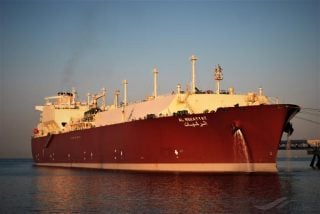
Energy markets have been particularly volatile after QatarEnergy officially halted production of liquefied natural gas (LNG) and related products.
Brent crude, the international benchmark, has climbed toward $80 per barrel, as fears grow over sustained disruption to supplies via the Strait of Hormuz — a critical shipping route accounting for about one‑fifth of global oil flows.
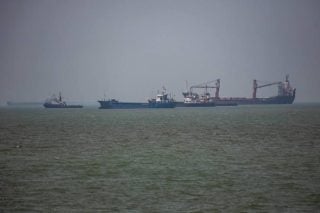
An Iranian Revolutionary Guards official issued stark warnings that the Strait of Hormuz is effectively closed to shipping, threatening to attack any vessel that attempts to transit the waterway in retaliation for U.S. and Israeli strikes on Iranian territory.
This escalation has had immediate consequences for tanker traffic and the oil market.
Major energy pricing agency S&P Global Platts said it would suspend certain bids and offers for refined products in Gulf ports that require passage through the strait, as many shipping firms halted movements due to safety concerns.
The Abu Dhabi Securities Exchange (ADX) and the Dubai Financial Market (DFM) both suspended trading on 2–3 March to shield markets from sudden volatility amid the broader conflict.
Global investors have moved into traditional safe‑haven assets, driving gold prices higher amid rising geopolitical uncertainty, while the U.S. dollar strengthened against major currencies as risk appetite declined.