Former Qatari Prime Minister Sheikh Hamad bin Jassim bin Jaber Al Thani has warned that the situation in the Gulf is becoming increasingly serious and could last longer than expected, as more groups become involved and tensions continue to rise.
In a post on X on Saturday, and referring to recent developments in the region, Former Qatari Prime Minister Sheikh Hamad bin Jassim bin Jaber Al Thani said the situation had “grown more complex over the past two days,” noting that the involvement of Ansar Allah (the Houthis) was “one of the reasons for this complexity, but certainly not the only one.”
He warned that if no solution was reached “within the coming days,” the situation could evolve into “a longer escalation than expected,” adding that “there are parties who want this war to continue” and know that its consequences “will not directly affect them, except for some limited missile strikes.”
Sheikh Hamad said Israel was less affected by the situation, noting that its “ports remain open to the Mediterranean and the Red Sea, regardless of the circumstances,” while countries in the region face more direct economic pressure.
Strait of Hormuz risks and economic impact
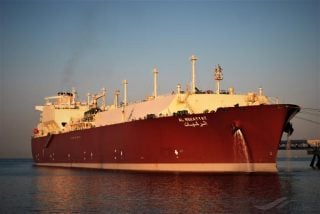
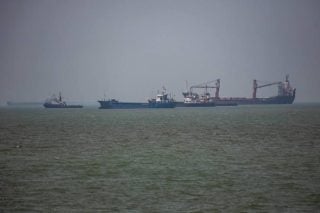
He cautioned that continued pressure on the Strait of Hormuz could lead to “serious economic repercussions,” not only for Gulf countries, which “may be able to withstand for a period,” but also “for the global economy as a whole.”
Raising broader questions about the crisis, he asked: “Who benefits from this collapse? And why?”
While saying that “the United States is not the real beneficiary,” Sheikh Hamad added that it is still unclear “whether the decision lies in its hands or in Israel’s,” noting that this is something “the coming days may reveal more clearly.”
He said the situation “is becoming increasingly complex,” and stressed the need for “tangible results” from regional efforts to reduce tensions. While noting that “serious efforts” are ongoing, he said progress would require “a more decisive American role in steering the course of decision-making, rather than leaving it in Israel’s hand”.
Sheikh Hamad also repeated his earlier warning about the risk of “slipping into a prolonged war of attrition,” a conflict that drags on and drains resources from all sides without a clear winner. He said that if this happens, “only a limited number of countries” would benefit, while “the majority will suffer significant economic losses.”