Qatar’s Al-Khulaifi says mediation is a constitutional commitment, highlighting Doha’s role in diplomacy, dialogue and conflict resolution.
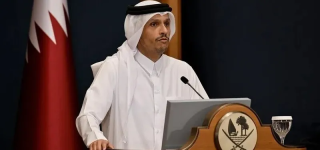
Qatar’s Minister of State at the Ministry of Foreign Affairs Mohammed bin Abdulaziz Al-Khulaifi has said the country views mediation as a constitutional commitment rooted in its approach to international relations, rather than simply a tool of foreign policy.
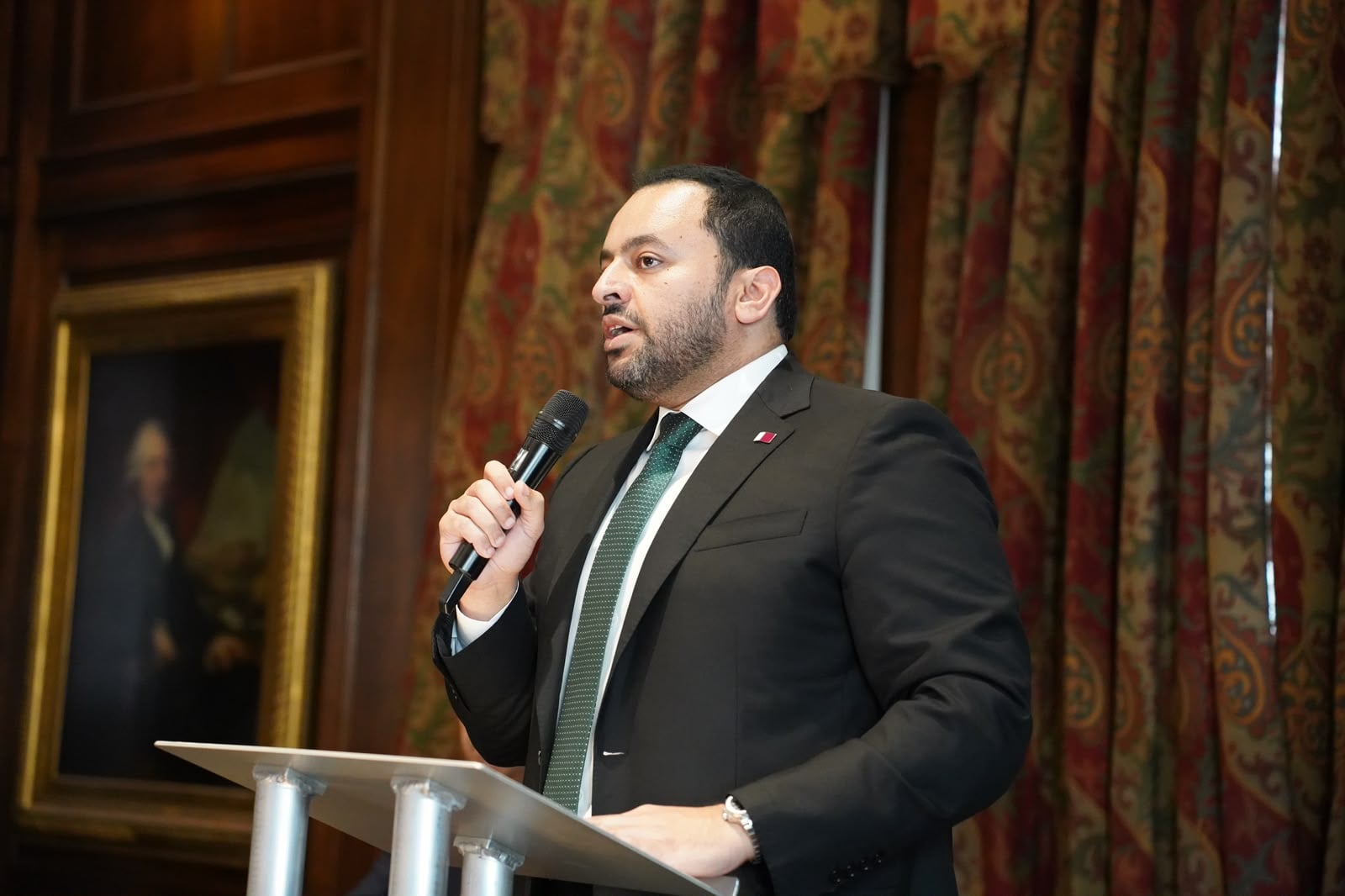
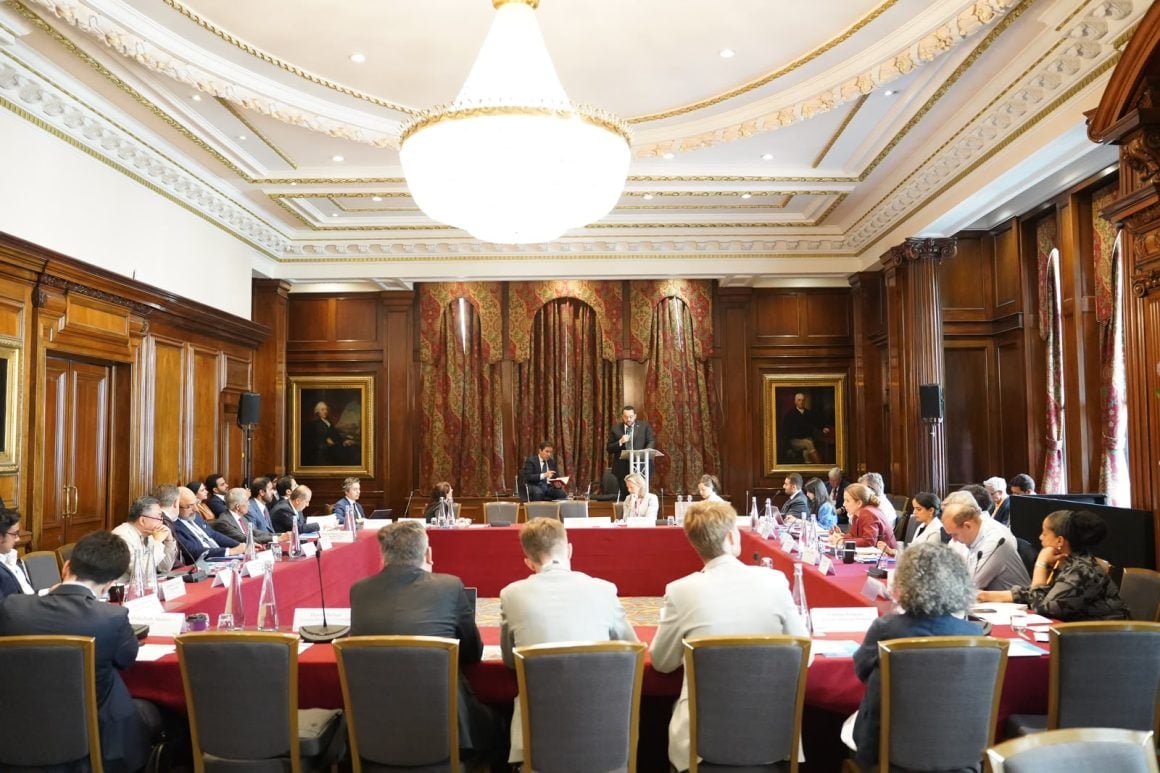
Speaking at the Royal Institute of International Affairs, Chatham House, in London on Thursday, Al-Khulaifi said Qatar’s foreign policy is guided by Article 7 of the country’s constitution, which calls for promoting international peace and security through peaceful means of resolving disputes.
“Qatar does not view mediation as merely a tool of foreign policy, but rather as a reflection of a firmly established constitutional conviction,” he said.
Al-Khulaifi said Qatar’s approach is based on preserving relationships with all sides, particularly during periods of conflict and disagreement.
“Communication with all parties should not be understood as an agreement with them,” he said, adding that keeping dialogue channels open during crises can be “the highest responsible contribution” a middle-power state can make.
He said mediation has become a strategic necessity as modern conflicts increasingly involve political, military, economic, technological and humanitarian dimensions.
“Dialogue is not a reward for agreement, but rather the path leading to it,” Al-Khulaifi said.
The Qatari official identified access, trust and perseverance as the three main pillars of successful mediation. He said maintaining communication channels, ensuring confidentiality and showing consistency are essential to building confidence between conflicting parties.
“Diplomacy is not measured by headlines, but by sustainable results,” he said.
Al-Khulaifi highlighted Qatar’s mediation efforts in Afghanistan, Gaza, Chad and the Democratic Republic of Congo, saying experience showed that progress often comes through patient engagement rather than sudden breakthroughs.
He said the role of a mediator is not to impose outcomes but to create conditions for dialogue.
“The mediator cannot create a political will that does not exist,” he said, adding that the responsibility is to ensure “channels of dialogue remain open when opportunities for peace arise.”
Al-Khulaifi also stressed the growing role of middle-power countries in global diplomacy, saying their influence is based less on military or economic strength and more on credibility and trust.
“Complete neutrality may be rare in international relations, but fairness always remains possible,” he said.
Concluding his remarks, Al-Khulaifi quoted former South African president Nelson Mandela: “If you want to make peace with your enemy, you have to work with your enemy.”
He said the future of diplomacy would depend not only on power, but on those willing to build trust, maintain dialogue and pursue peaceful solutions to conflicts.