The Ministry of Transport Strategy 2025-2030 aims to strengthen economic growth, enhance sustainability, and cement the nation’s position as a global hub for logistics and smart transport solutions.
Qatar has launched a new national transport strategy aimed at transforming the country into a global hub for logistics and smart mobility, with investments exceeding QAR 1.2 billion ($330 million).
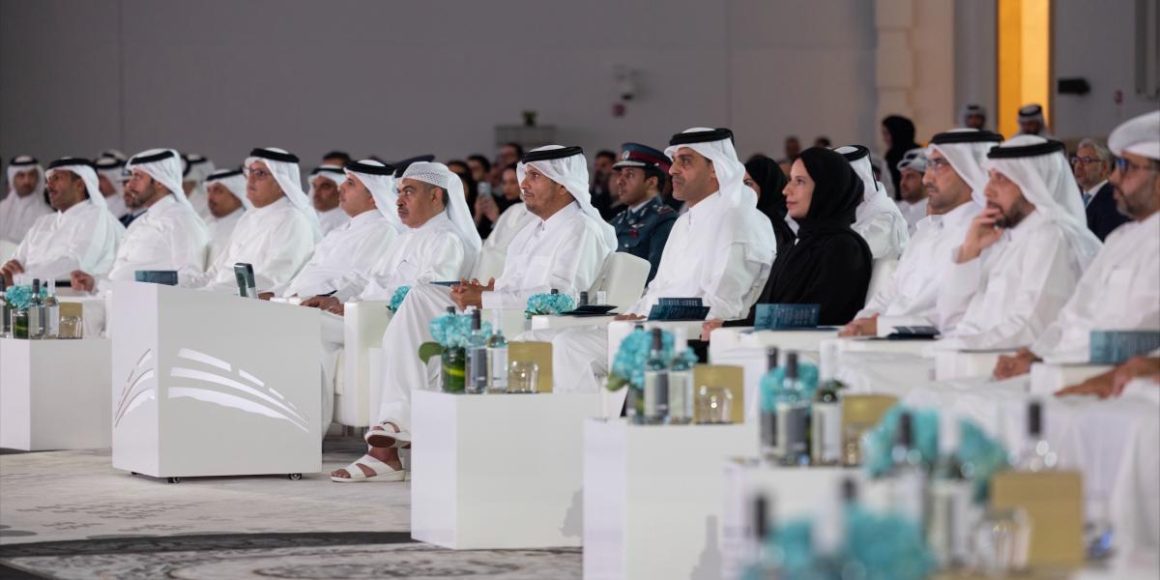
Prime Minister and Minister of Foreign Affairs Sheikh Mohammed bin Abdulrahman Al Thani unveiled the Ministry of Transport (MoT) Strategy 2025–2030 at a ceremony in Doha on Sunday. The launch, held under the slogan “Reaching Beyond Horizons”, was attended by ministers, senior officials, and public and private sector representatives.
The strategy outlines 125 projects drawn from 42 initiatives, with nearly 40% of them involving private sector participation — a move officials described as a “real partnership” to advance Qatar’s national development and diversify its economy.
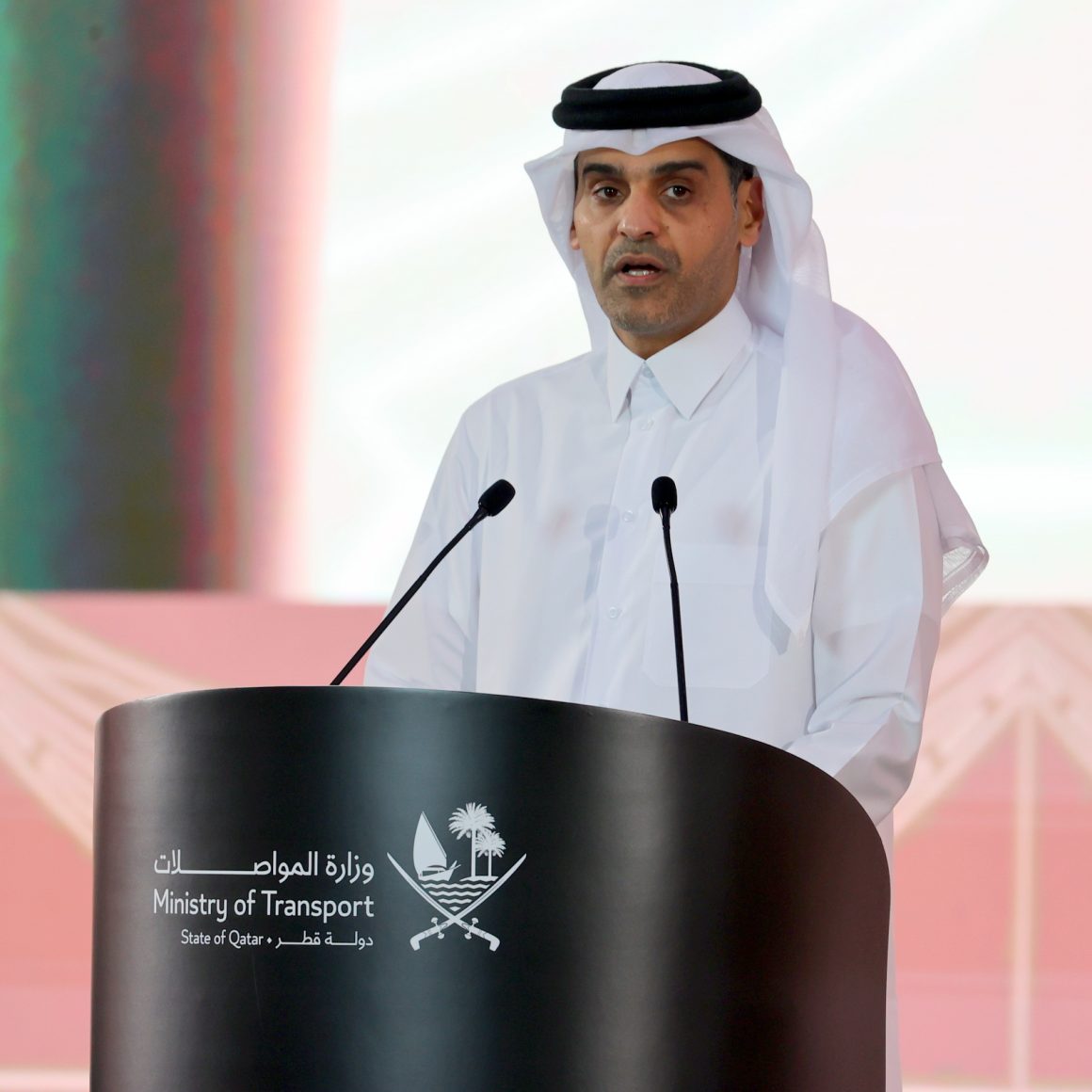
Speaking at the launch, Minister of Transport Sheikh Mohammed bin Abdulla Al Thani said the plan is rooted in the Qatar National Vision 2030 and aligned with the Third National Development Strategy. He said the goal is to build world-class transport infrastructure, improve logistics performance, embrace digital transformation, and pioneer innovation in smart mobility.
“These initiatives form a major artery to solidify Qatar’s profile as a regional and global hub for transportation and logistics services,” the minister said.
The strategy also aims to double the transport sector’s contribution to GDP by investing in strategic infrastructure and expanding international market connections.
Among the initiatives are 17 projects focused on enhancing public transport. These aim to provide reliable, inclusive, and environmentally friendly services nationwide, with a strong emphasis on accessibility for people of determination.
Qatar currently leads the region in transitioning to electric public transit, with 73% of its bus fleet already electrified. The government aims for full electrification by 2030, in line with integration plans for metro and tram networks.
Beyond infrastructure, the plan prioritises human capital. The Ministry of Transport will introduce training and upskilling programmes to equip national talent with the tools to lead in the smart mobility sector.
Additional elements include the development of smart control centres and digital services designed to meet the needs of citizens and residents.
Describing the strategy as “a major transformative journey,” the minister said the ministry would work with its partners across the public and private sectors to position Qatar as a model for integrated, secure, and sustainable transport.
The plan reflects the Ministry’s broader vision of “an integrated, secure, resilient, and sustainable transport ecosystem” and its mission to drive high-efficiency logistics aligned with national development goals.