Indonesian ceramicist returns to Qatar for a residency that builds on the legacy of the 2023 Year of Culture to collaborate and reimagine clay’s place in society.
The wheel spins, hands join, and the clay changes shape. The form holds until it does not.
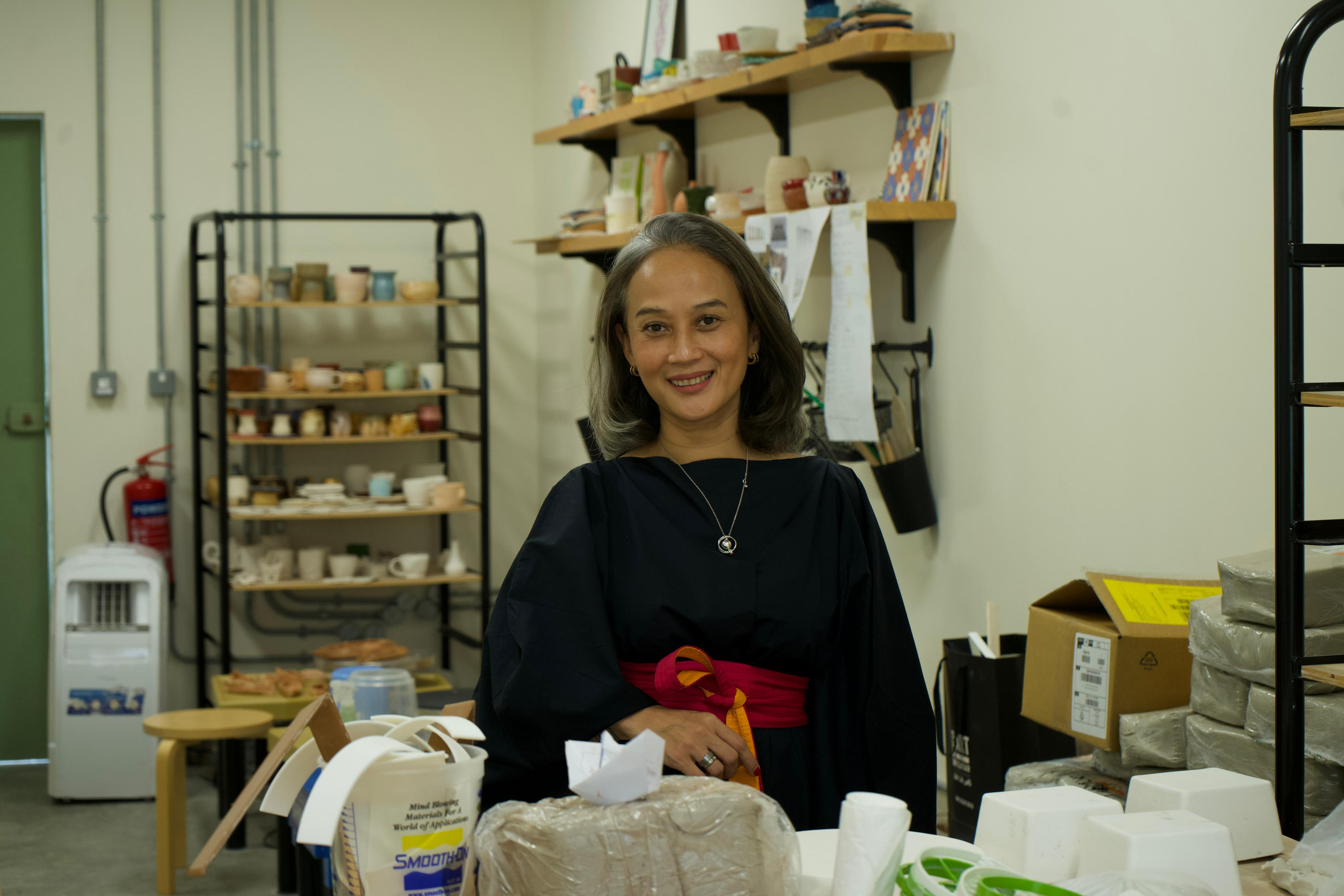
For Francisca Puspitasari “Kika”, pottery mirrors life. “You do your best,” she says, “and then you wait. When you open the kiln, you don’t know what you’ll find.”
It is how she approaches her craft: to guide but not control, to accept what emerges, and to see in every fracture and curve a story.
In Doha, midway through a five-week residency at Liwan under Qatar Museums, that philosophy feels fitting. The programme continues the 2023 Qatar–Indonesia Year of Culture, aiming to forge lasting connections. For Kika, it is also a return. Two years ago, she ran pottery classes in Doha that sold out in minutes.
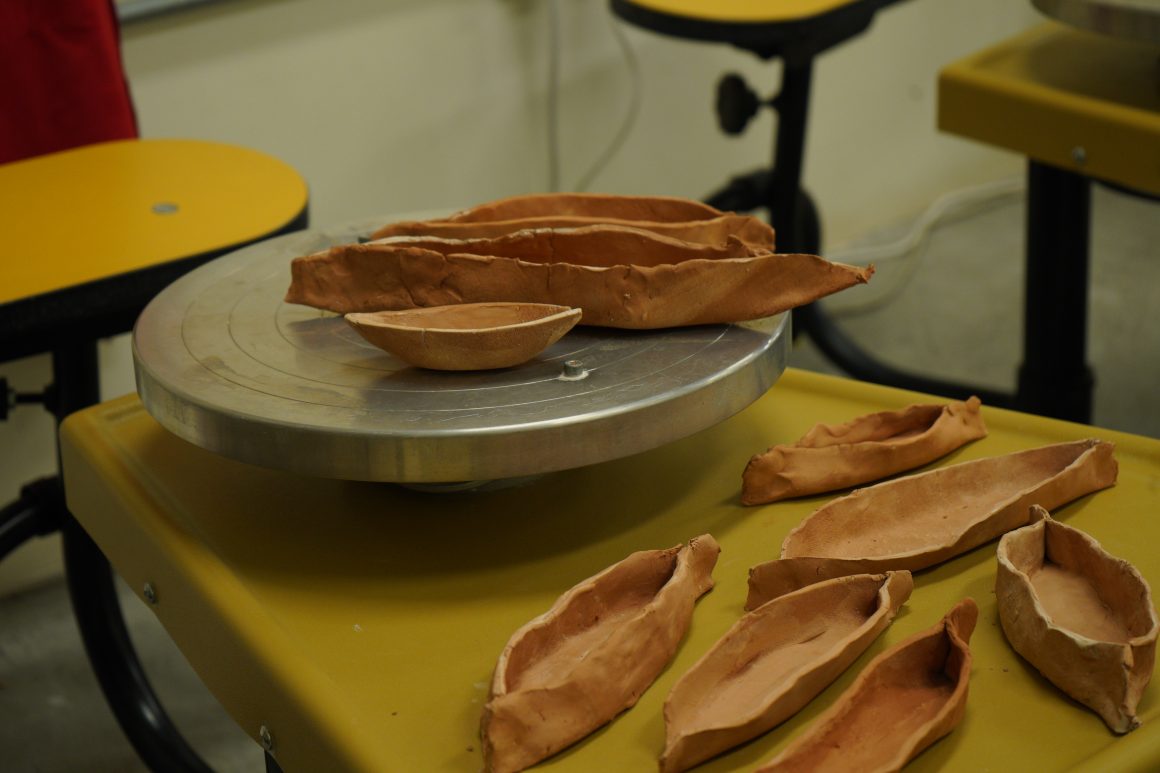
This time, she is building something slower and deeper: a collaboration with seven local creatives producing pieces that will feature in Qatar Museums’ stores and in an exhibition at the end of her residency.
The watershed order from Qatar
Kika’s most vivid Qatar memory dates back to 2017, when she received her first international order: 2,000 handmade cups for a Qatari café. For her then-fledgling Kaloka Pottery, the scale was daunting. She had only one assistant and wasn’t sure she could deliver. But she did. “That was the moment,” she recalls. “It was win or die.”
She had left her day job the year before to found Kaloka, meaning “famous” in Sanskrit, after two decades in Indonesia’s fashion industry. The long hours and constant demands gave her stamina and confidence, but also drained her.
“I wanted to build something for myself, for my family,” she says.
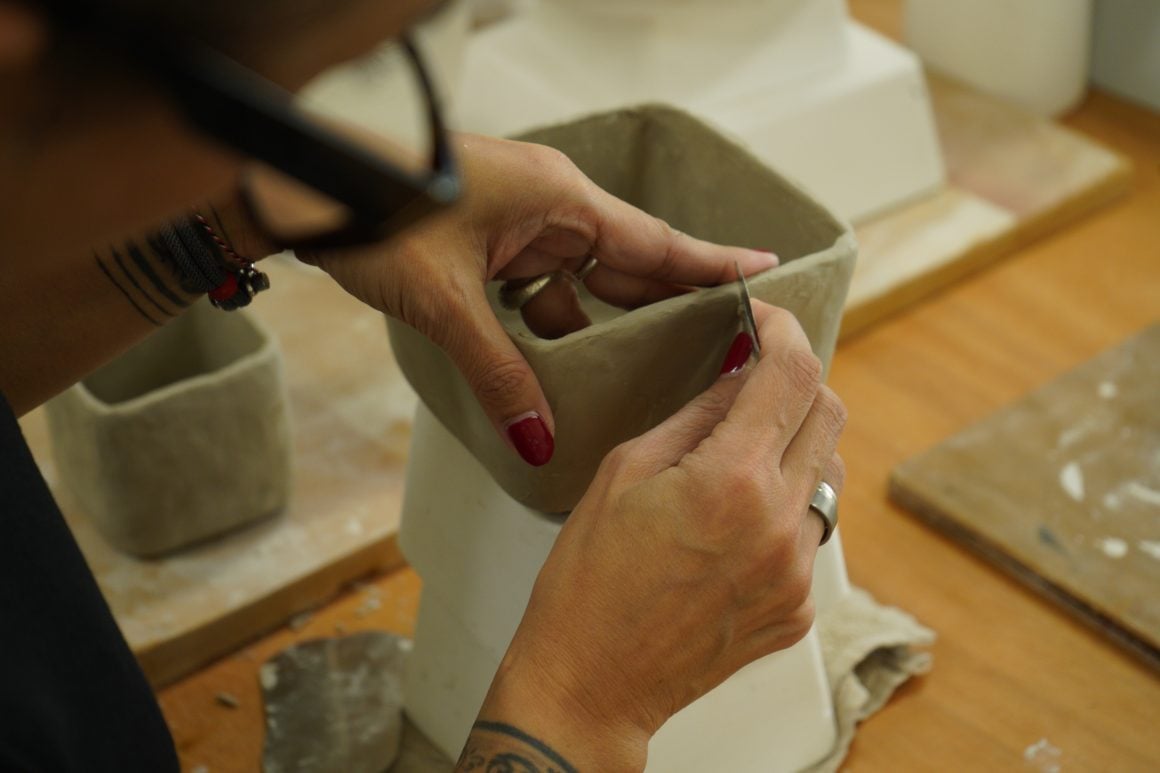
Pottery came almost by chance. She set up a backyard studio and spent nearly a year failing and learning “piece by broken piece.” “But I tried again,” she says.
Kaloka grew steadily, with unexpected clients across the Middle East. Communities of craftspeople in Java joined in until she was working with nearly 300 artisans. Instagram amplified her reach, connecting her with people who recognised something in her clay.
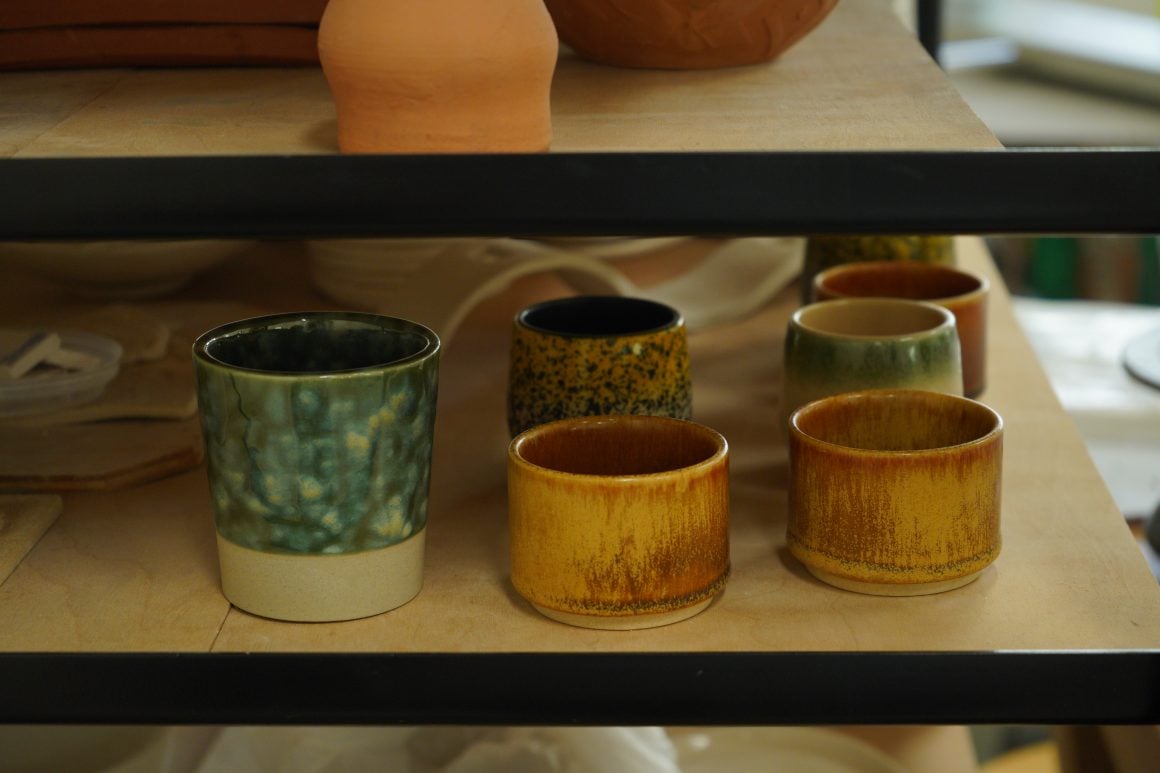
Pottery carries both a practical rhythm and a philosophy, Kika believes. Clay from the same river can change character overnight. A piece that looks perfect can warp in the kiln, reminding her that control is always limited.
History underscores that point. Archaeologists often find pottery shards that reveal how people lived, ate, and traded – from prehistoric caves in Japan to glazed bowls on the Silk Road to jars buried in Gulf sands.
That sense of continuity shapes Kika’s practice. She refuses to waste broken pieces: some are recycled, others “adopted” by buyers with proceeds supporting causes from mangrove planting to Alzheimer’s research. “Imperfection is part of the story,” she says.
Java, Doha and the future of pottery
If Yogyakarta gave her roots, Doha has given her branches. The connection began with that first order and deepened with the Year of Culture in 2023. What stands out to her is the openness of her collaborators in Qatar. “It feels like home,” she says.
Her residency also demands more: public classes every Friday, often full, and daily work with her group of collaborators. They debate design, argue over function, and wrestle with the line between art and product. For Kika, pottery has always been both.
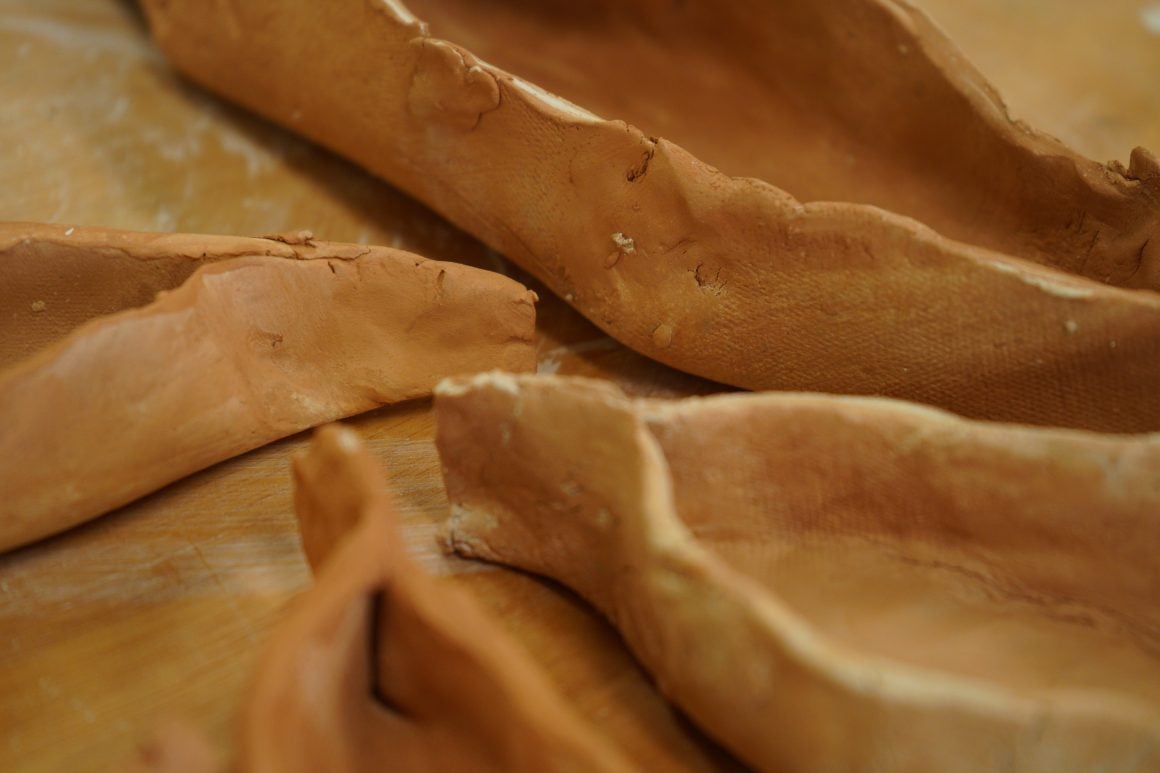
There is irony in Qatar’s growing interest in ceramics: the desert offers little raw clay. Yet scarcity has not stifled enthusiasm. If anything, the mindful pace of pottery has become a draw. TikTok has fuelled the trend, with more than 62.8 million related videos circulating globally.
Workshops are oversubscribed, studios are multiplying, and people come not only to make but to belong. Pottery in Qatar, like everywhere, is less about objects than about gathering.
Pottery still faces challenges, especially relevance in a world dominated by plastic, glass, and disposables. But Kika insists clay survives because it carries something those materials cannot.
“Pottery feels intimate,” she says. “You feel a special bond with something that you mould.” She notes how global brands endure by telling stories, and believes pottery does the same.
For her, clay will endure not by competing with factories but by collaborating, sharing techniques, and insisting on meaning.
As her residency progresses, Kika is measuring not finished cups or plates, but conversations, shared designs, and new questions. She watches how newcomers sit at the wheel, how their hands falter, how they learn to let the clay lead.