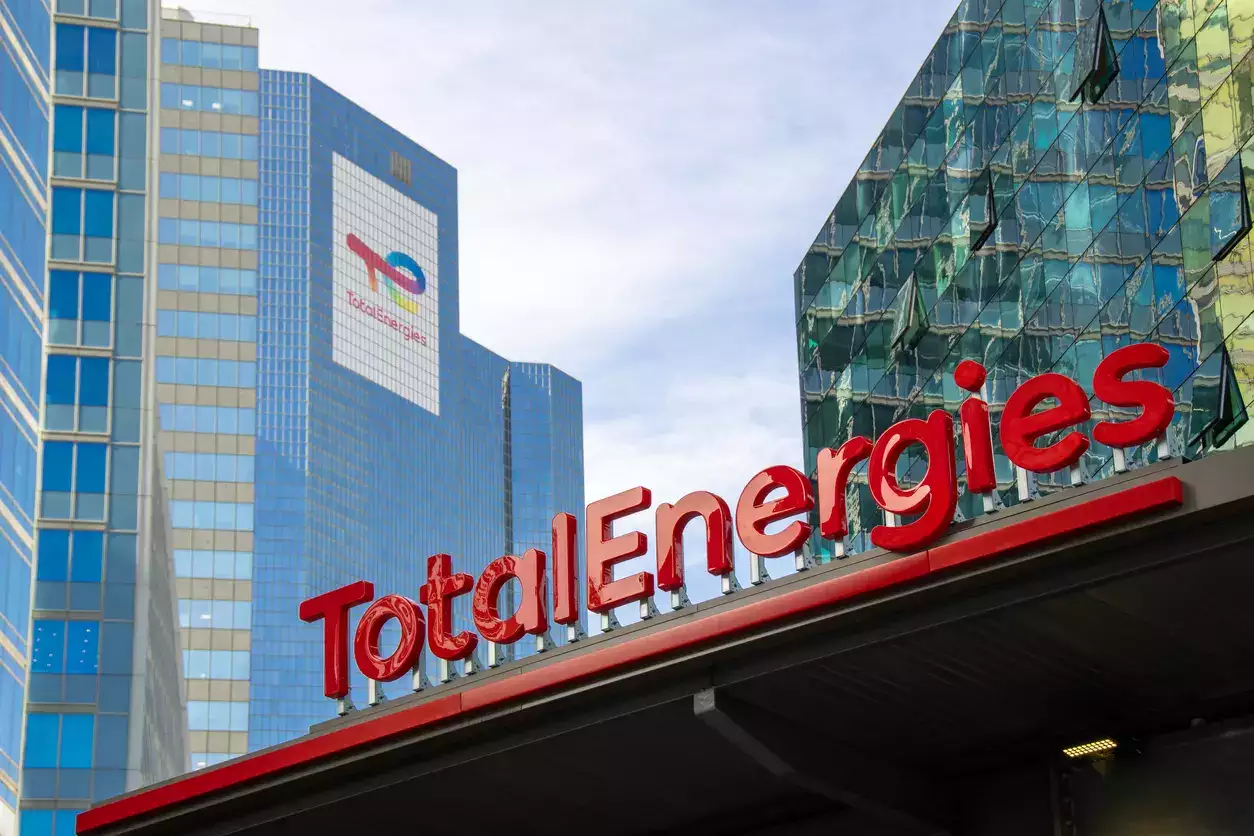
TotalEnergies announced shutdowns for Qatar, Iraq and offshore UAE productions, cutting 15 percent of the company’s global output.
French energy major TotalEnergies said it has shut down, or is in the process of shutting down, its production in Qatar and other countries amid the regional escalation, which disrupted energy operations across the Middle East and cut around 15 percent of the company’s global output.
In a statement to investors, the company said the shutdowns affect production in Qatar, Iraq and offshore UAE operations, representing a significant share of its worldwide output.
“Production has been shut down or is in the process of shutting down in Qatar, Iraq and UAE offshore, representing approximately 15% of our total output,” the company said in a statement.
Despite the shutdowns, TotalEnergies said the financial impact may be limited because the affected barrels generate relatively less cash flow due to higher taxation.
“The Middle East barrels [Cash Flow From Operations] is lower than our portfolio average due to higher taxation, and these 15% of our volumes account for around 10% of upstream cash flow,” the company said.
It added that not all regional production was affected, noting that onshore output in the United Arab Emirates continues as normal.
“Onshore UAE production (~210 kbpd TTE share) is not affected by the conflict, as it is exported through the Fujairah terminal,” the statement said.
TotalEnergies also said higher oil prices triggered by the conflict could more than offset the loss of production.
“A $8/b increase in the Brent price is enough to offset the expected 2026 CFFO from our Iraq, Qatar, UAE offshore assets at $60/b,” the statement added.
The company said that most of its future production growth is expected to come from outside the Middle East starting in 2026, further reducing the long-term impact of the shutdowns.
Shell, the world’s largest liquified natural gas (LNG) trader, also declared force majeure on LNG cargoes it purchases from QatarEnergy and sells to customers worldwide, according to Reuters sources.
Qatar is the world’s second-largest exporter of LNG.
QatarEnergy halted production of LNG and related products on March 2 following military attacks on its facilities, declaring force majeure on LNG shipments days later.
Other LNG buyers, including TotalEnergies and several Asian companies, have also reportedly received force majeure notices from Qatar and have told customers they will not sell Qatari LNG while the facilities remain shut, the Reuters report added, citing sources with knowledge of the matter.
Reuters also reported that a person familiar with the matter said TotalEnergies has not issued a force majeure declaration to its customers.
Analysts estimate Shell purchases around 6.8 million tonnes per annum of Qatari LNG, while TotalEnergies takes about 5.2 million tonnes per annum.
Qatar’s energy minister and QatarEnergy CEO and President Saad Sherida al-Kaabi said in comments to the Financial Times that it could take “weeks to months” for LNG deliveries to return to normal even if the war ended immediately.
Sources said notices sent to clients indicate that LNG deliveries for March will proceed as planned, with disruptions expected to begin affecting shipments from April.
TotalEnergies said it continues to monitor the situation closely as the conflict evolves.
“TotalEnergies is monitoring the evolution of the situation on the ground hour after hour and will update you in case of material change of the above.”