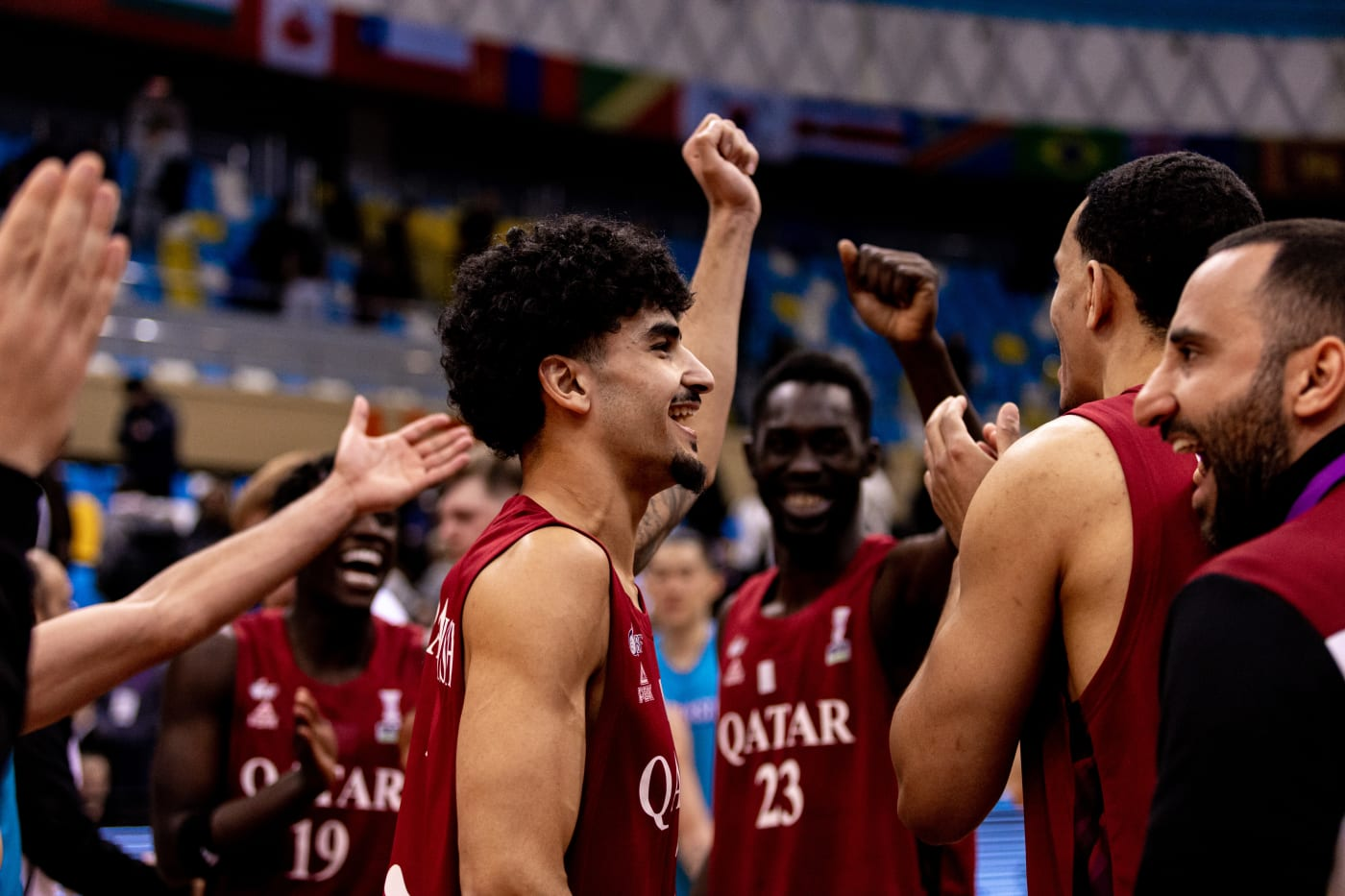
Al Annabi’s return to the continental stage will be first step in many ahead of the 2027 World Cup at home.
All roads lead to 2027 for Qatar. Any tournament that the country’s basketball team will play in the coming days will be seen as a dress rehearsal, one after another, to field a formidable side at the FIBA World Cup at home in two years.
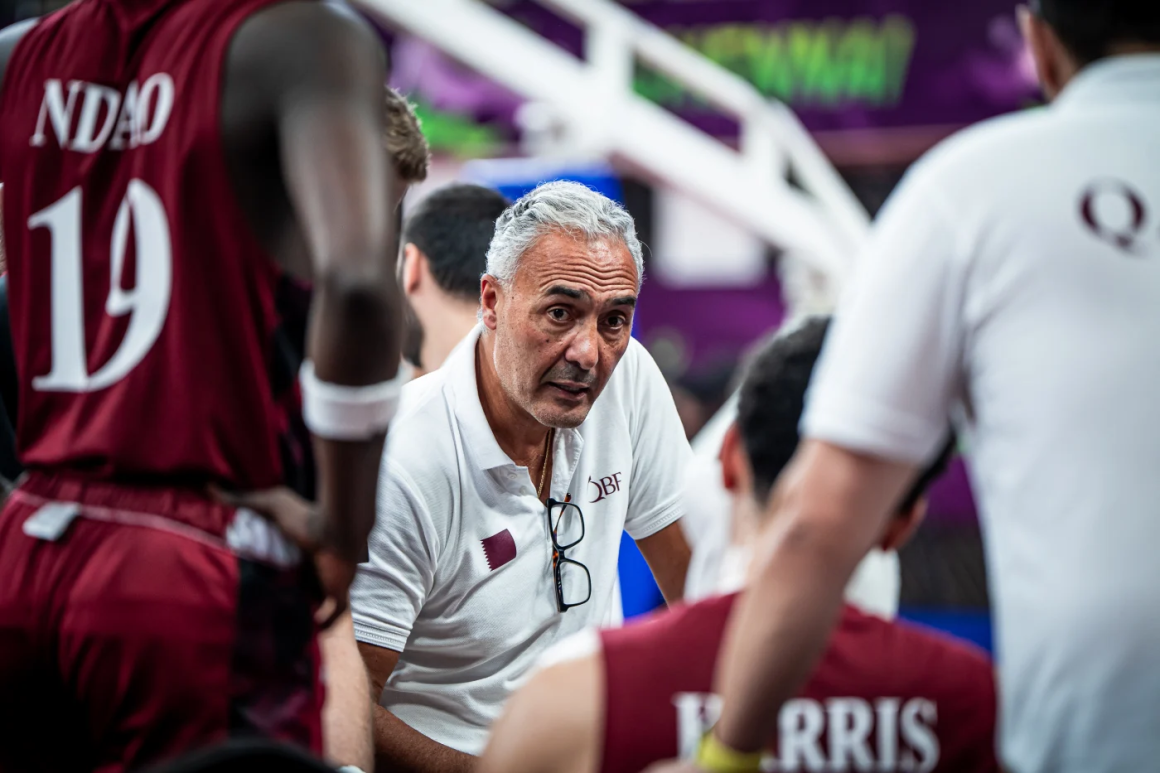
“All my energy is for 2027,” the team’s head coach, Hakan Demir, declared in May. While the mission remains marked and work continues in the background for the experienced Turk, there are also short-term tasks that he needs to attend to.
On Wednesday, Qatar will kick off the FIBA Asia Cup 2025 against Lebanon, in what will be the Maroons’ first continental tournament appearance in over eight years.
While recent tumultuous years and being in a tough group that includes two-time champions Australia will help in managing expectations, Demir is not settling for less.
“The result of the Asia Cup is important for the players’ confidence,” Demir told FIBA, the sport’s global governing body. “Of course, we know we are in the top group, but I believe we can make it a surprise, and either way, we will improve every year until 2027.”
To his credit, Demir’s time in Qatar so far has brought improvements. After taking charge of a team that had lost two of its opening qualifying games, he masterminded a comeback which saw the Maroons finish 4-2 with back-to-back wins.
The headline-grabbing one-pointed win over Demir’s previous side, Iran, in November, their first against the neighbours in over 19 years, had served as the defining moment.
Now, the expectations on the team will capitalise on that rhythm, or at least maintain it in Saudi Arabia.
Who’s who in Qatar’s Asia Cup squad
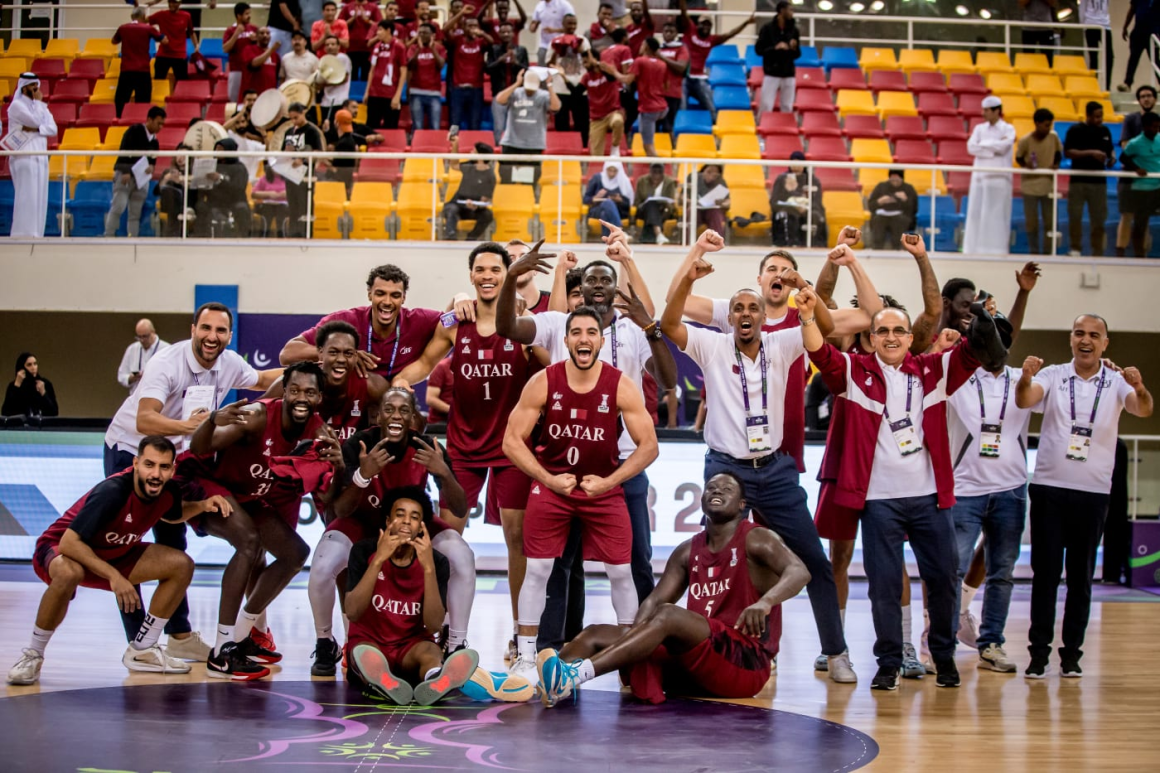
The roster announced on the eve of the competition includes a mix of youth and experience and versatile set of players that can play in more positions than one.
Spotlight will be on Brandon Goodwin, who switched allegiances just in time to be included in Qatar’s 12-man squad. The U.S.-born point guard currently plays for China’s Shanxi Loongs and was a part of the team’s recent friendlies and training camps.
“Goodwin has a lot of experience,” Saadoon Al-Kuwari, Qatar Basketball Federation’s secretary general, said about the inclusion. “He will help us achieve our goals in the World Championship.”
Alen Hadzibegovic is coming to the side fresh off a stellar season with the London Lions, with the 6’11 shooting guard included in the Super League Basketball’s Defensive team of the year.
Al Rayyan’s center, Tyler Harris, will be the team’s most experienced campaigner. The 31-year-old was instrumental in Qatar’s run in the recent qualifiers and will be expected to carry the same momentum along.
The Maroons are stacked in central areas with Al Sadd’s Ndoye Seydou and 20-year-old Moustapha Ndao available.
The former has been among the team’s most prolific point-getters in recent matches, including his 14-point haul in the 78-77 win over Iran in November.
Ndao, meanwhile, is seen as a promising talent around, having played for the national team across various age groups.
Much responsibility will have to be shouldered by the 27-year-old small forward Babacar Dieng, who comes on the back of a promising individual season, having won the Qatar Men’s League Player of the Year award in Al Sadd’s third-place finish.
Al Arabi’s 29-year-old swingman Abdulrahman Saad has also made the cut, alongside Mahmoud Darwish of Al Ahli.
It could be a breakout tournament for Al Ahli’s 21-year-old small forward, Mohammed Abbasher. While there has been no doubt about his talent ever since he broke into the senior team at 17, the competition could serve as a proving ground amid reported interests from several D1 programs in the U.S.
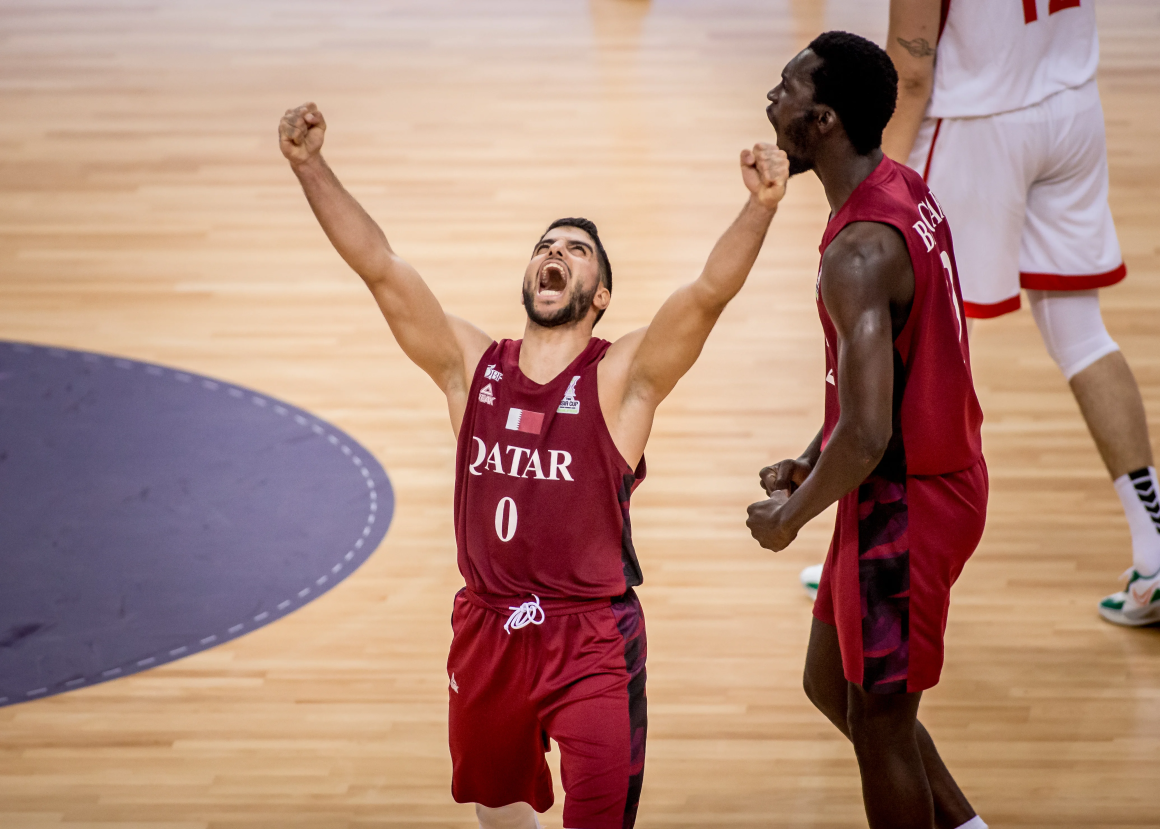
The squad also carries Qatar’s rich 3×3 basketball legacy, which has seen them win World and Asian Championships in the category. It is where Qatari basketball’s DNA lies, according to head coach Demir.
As such, it is only natural that all of Zine Eddine Bedri, Aladji Magassa and Omar Saad have that background.
Bedri currently plies his trade for the Columbia Lions in the U.S., and the 22-year-old forward was once touted as one of the finest youth talents to come out of his country of birth, Algeria.
Magassa, on the other hand, has already represented the national 3×3 team and was a power forward in Al Rayyan’s triumphant side last season.
Saad, the 25-year-old shooting guard of Al Wakrah, was a part of Qatar’s silver-winning 3×3 side at the 19th Asian Games in Hangzhou in 2023.
An eye on 2027 and the ‘real goal’
The selections reflect what Demir has been after: to create a balance between experience and youth, not just to achieve results immediately, but to harness it towards the 2027 goal.
“We are preparing our young team,” Demir told FIBA. “Of course, we need to improve a lot, but my players and our experiences together, we will create a build-up for good things in 2027.”
The Asia Cup opening against Lebanon, a side ranked 58 places above them, will serve as a solid test. So will the August 8 clash against the 53rd-ranked South Koreans and the ultimate group game against Australia, who are yet to lose a game in the FIBA Asia Cup after switching to Asia in 2017.
Realistically, the mission will be to better their 13th-place finish from 2017 in Lebanon with their best achievement, the two third-place finishes, looking unlikely to match. Qatar had defeated two countries from its current group — Lebanon in 2003 and South Korea in 2005 — in the third-place play-off.
Al Annabi have come a long way since those years, with consistency proving to be a stinging absence along the years. A crucial part of Demir’s job, in the build-up to the coda, will be to instil that to a side backed by what he called an “ambitious” project.
“They had a spark in some years but not consistently,” Demir said. “I believe it’s time to make a consistent and strong Qatar basketball national team for the future.
“My real goal is to be a top four team in Asia and to always stay there, to keep Qatar there.”
All roads do indeed lead to 2027, but to arrive there with purpose, Demir knows the journey must first teach his team how to walk, then how to run.